
Co-Thriving Carnivore Corridor Co-Op (4C)
Jan 2026 | Project GRIPH | 501(c)(3) EIN 93-1678937
Project Summary
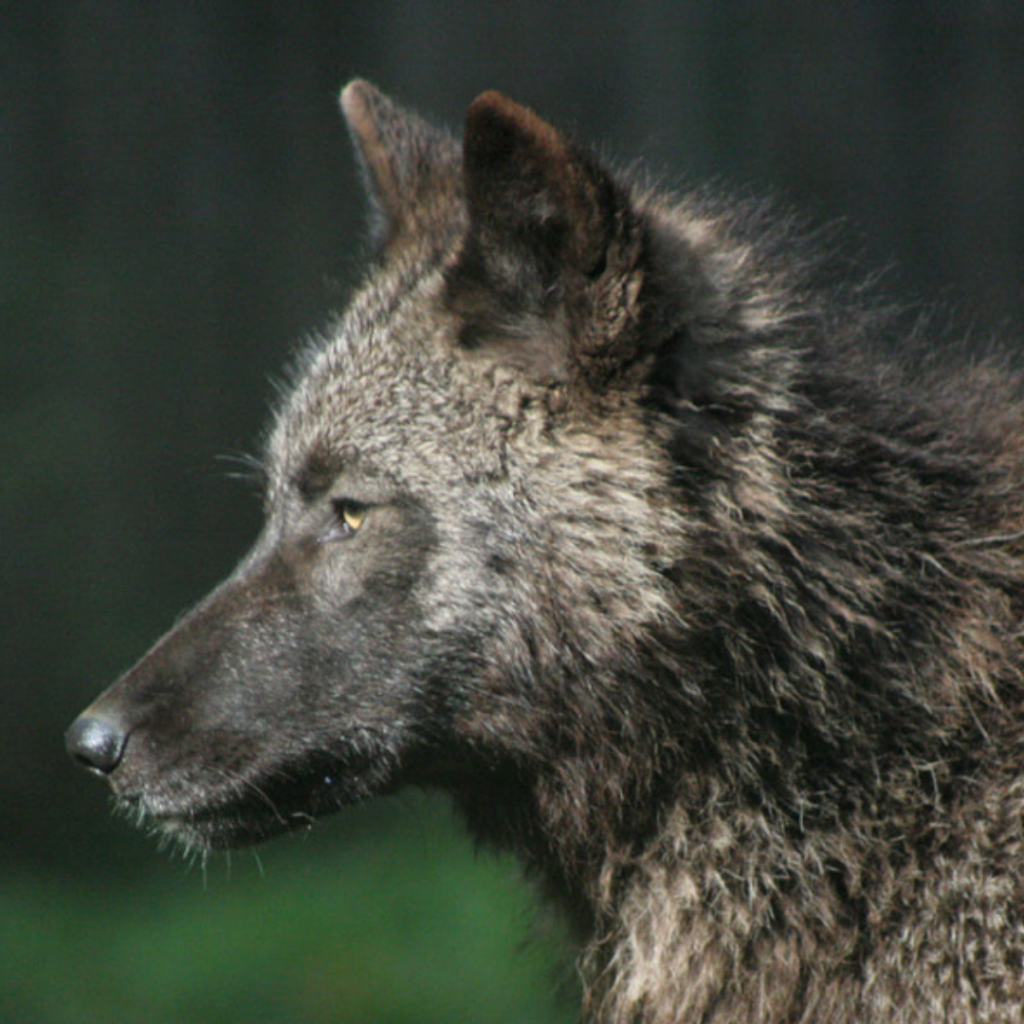
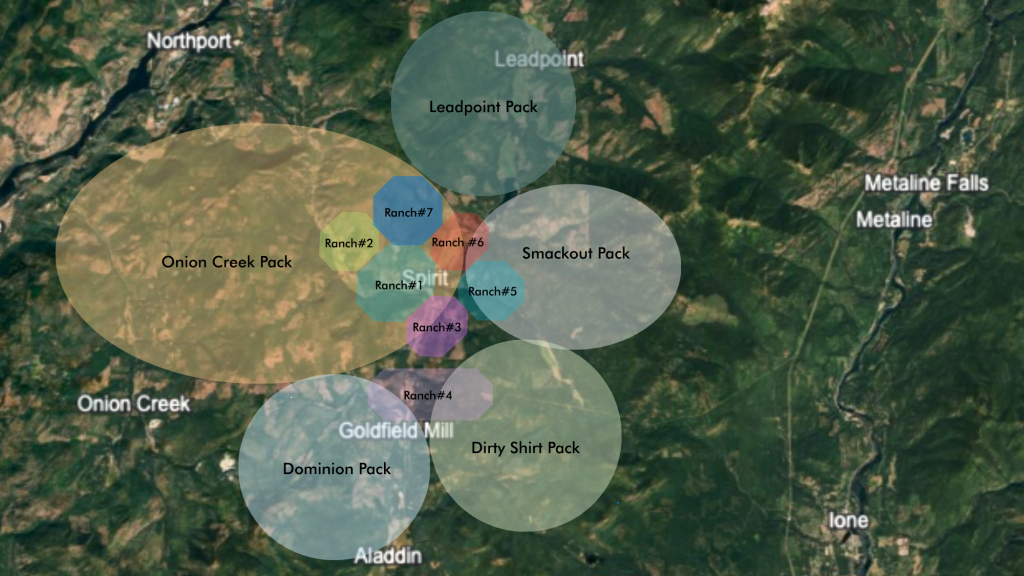
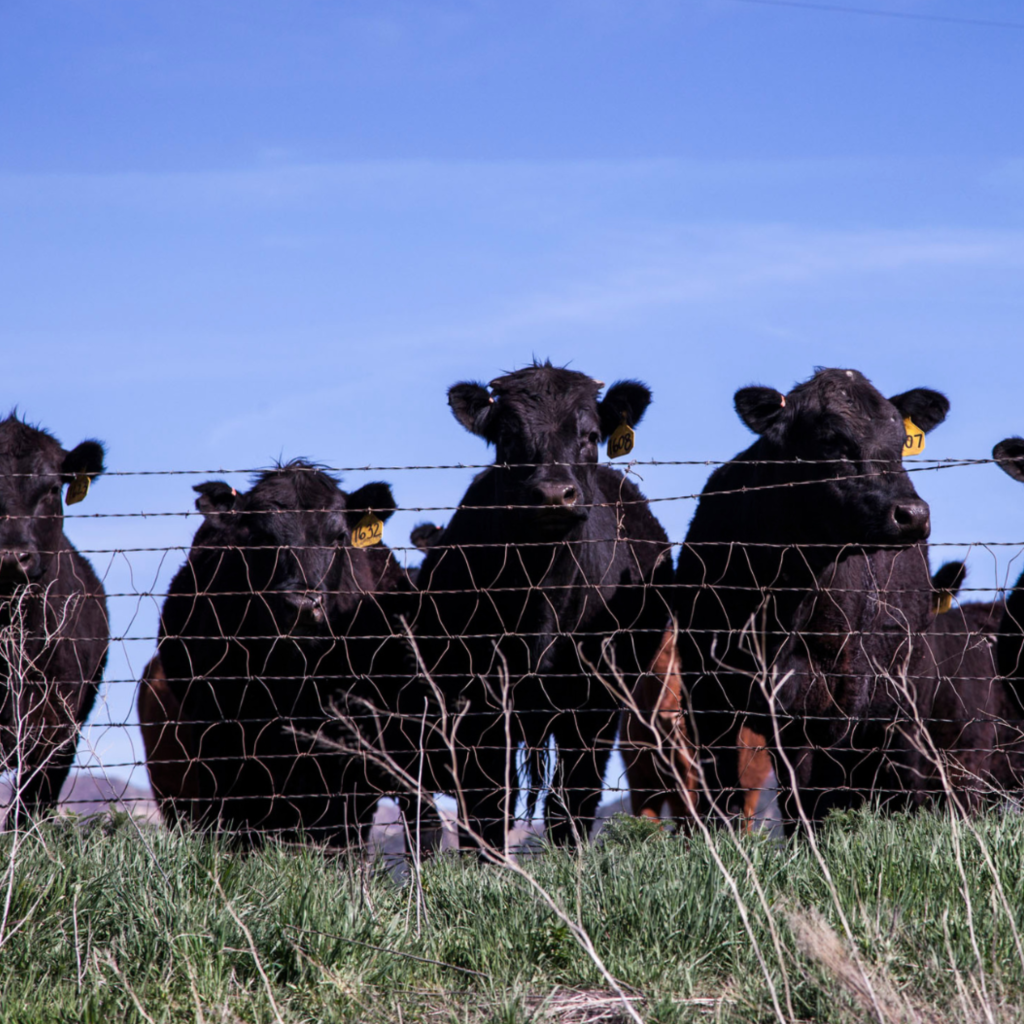
Project GRIPH’s Co-Thriving Carnivore Corridor Co-Op (4C) is a bold, field-based initiative connecting seven partner ranches in northeastern Washington, home to over 2,000 cattle, over 41,000 acres of private and public land, and home to at least five wolf packs. Together, we are pioneering a new standard for predator–livestock relations grounded not in tolerance or control, but in care, communication, presence, and co-thriving.
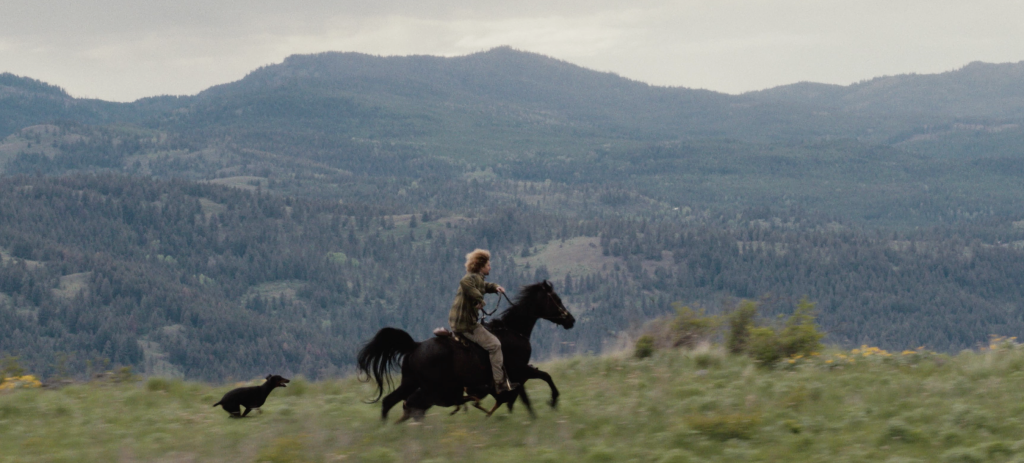
We provide professional conflict-prevention services (range-riding, carcass removal, sanitation, predator-livestock monitoring, low-stress livestock handling, etc.), alongside embedded research and daily, relational engagement on the land. Our 4C methodology replaces reactive, lethal responses with a proactive system that reduces conflict before it occurs. Coexistence implies moderate tolerance that is unsustainable; our co-thriving model offers a service that focuses on preventing conflict while offering options for the community that lives with wolves to actually benefit from their presence on the landscape.
This initiative will also launch a USDA-compliant and Project GRIPH-Certified Conflict-Free Beef Program that offers a humane, transparent alternative to factory farming. By lowering herd density and enhancing welfare through low-stress livestock handling, we achieve better outcomes for both domestic animals and apex predators as well as ranching communities, demonstrating that co-thriving is not only possible but also practical and profitable.
Why It Matters
This project is about more than wolves and cattle. It is about transforming how we relate to land, animals, and one another.
Across Washington and the Western United States, wolf recovery has stalled not because wolves cannot survive, but because social tolerance has not kept pace with ecological success. In 2024, Washington documented its first statewide wolf population decline, underscoring a critical truth: recovery efforts that rely on reactive management and lethal control are not only ethically fraught but also failing to secure long-term outcomes for wolves or people.
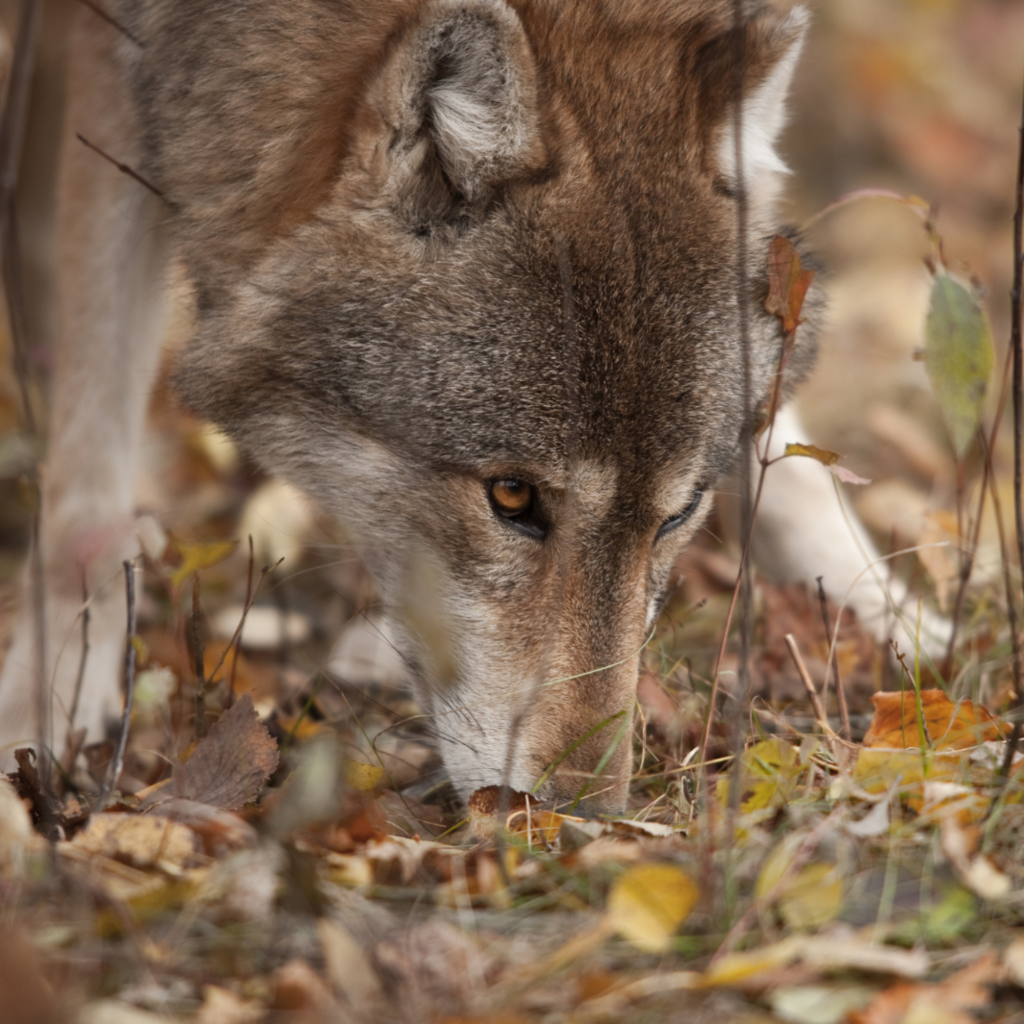
4C responds to this moment by addressing the real driver of conflict: how humans experience living with predators. Rather than positioning wolves as threats to be managed, we recognize them as our neighbors on a shared landscape, and empower ranchers as our partners and stewards in conservation.
By building trust across rural–urban divides and creating a shared framework of responsibility, this project reframes predator presence from liability to value. Through real-time fieldwork, storytelling, and market innovation, we demonstrate that livestock and large carnivores can share the land while improving animal welfare, challenging factory farming norms, and opening new economic pathways rooted in stewardship.
Key Strategies
- Daily, on-the-ground conflict prevention through trained professional range riders and conflict prevention specialists, using ethical, non-lethal methods and real-time decision-making.
- The Project GRIPH 4C Conflict-Free Beef Program is a certification tied to animal welfare, co-thiving, and regenerative ranching practices.
- Collaborative research and storytelling that centers the lived experiences of wolves, ranchers, and rural communities, ensuring knowledge flows both ways.
- Education and knowledge-sharing, supporting replication of this model in other regions facing persistent predator–livestock conflict.
Project Implementation and Growth
Project GRIPH has secured $95,000 towards launching the 4C pilot on two partner ranches in 2026. This funding enables the placement of specialist range riders, implementation of proven non-lethal conflict prevention strategies, and foundational USDA compliance work for the Conflict-Free Beef Program. The next phase expands the corridor to all seven ranches, bringing total project costs to $400,000 for one year.
A Theory of Change Rooted in Relationship
True wolf recovery depends on transforming the landscape of the human mind, not the natural world. Our goal is to reduce and ultimately eliminate conflict so that people living alongside wolves can begin to see them differently: not as symbols of loss or risk, but as part of a shared, living system. The most durable form of conservation emerges when relationships with land, wildlife, and community are repaired, and it is through those relationships that wolves will have a future for generations to come.
Funding Request
We are seeking the remaining $305,000 to support a full season of professional conflict prevention services across the seven-ranch corridor. This investment provides:
- Highly trained personnel (Executive Director/Conflict Prevention Specialist, six Conflict Prevention Specialists, one Field Operations Supervisor)
- Field equipment and monitoring
- Embedded academic research documenting social, ecological, and economic outcomes
With this support, Project GRIPH 4C will transition from a proof-of-concept to the nation’s first multi-beef ranch conflict-free corridor, offering a scalable model adaptable across the Western United States and the world.
Our Ask
Early philanthropic support is critical to ensuring that co-thriving becomes a rigorous, replicable model, not just a compelling idea. By investing at the corridor scale, partners enable Project GRIPH to demonstrate, across a complex, multi-ranch landscape, that professional, non-lethal conflict prevention can succeed where reactive, lethal approaches have failed.
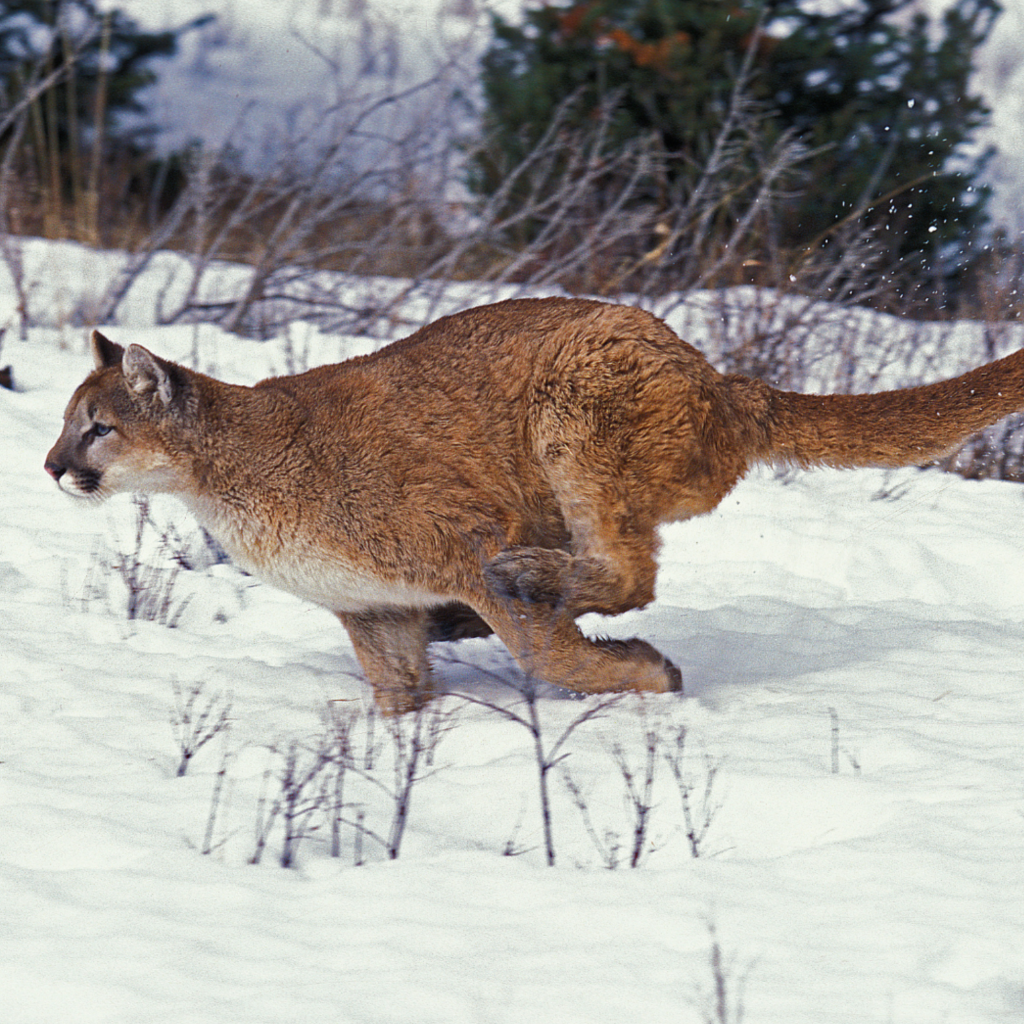
This corridor spans seven family-owned ranches, five active wolf packs, a mix of private land and federal grazing allotments, and longstanding social tension around predator presence. Support at this stage allows us to define best practices, document social, ecological, and economic outcomes, and build the operational and research infrastructure necessary to scale this work responsibly.
By engaging at the grassroots level, partners help create a blueprint for replication, a model that can be adapted to other regions facing persistent carnivore conflict across the Western United States and beyond. What begins here aligns animal welfare, rural livelihoods, ecological recovery, and market innovation, demonstrating that conservation does not have to come at the expense of working lands or communities.
We are seeking mission-aligned partners to help fully implement the Project GRIPH Co-Thriving Carnivore Corridor and scale this compassionate, field-tested approach. Support directly funds professional conflict mitigation service, range-rider deployment, field equipment and monitoring, embedded research, and the development of the 4C Conflict-Free Beef certification, creating durable pathways for coexistence and beyond.
This is an opportunity not only to support wolf recovery, but to help establish a new norm: one in which conflict is no longer the default, and where people, livestock, and large carnivores are supported to co-thrive on shared landscapes.
Together, we can demonstrate that ranchers and wolves not only can coexist, they can co-thrive.